2026-09-14
Guide to Revision Rhinoplasty at Private Plastic Surgery
Explore key factors for revision rhinoplasty at Private Plastic Surgery, including cartilage selection, indications, customized design, and safe surgical environments with transparent care by Dr. Lee Jin-hwa and Dr. Lee Jun-woo in Sinsa, Seoul, Korea.

Guide to Revision Rhinoplasty at Private Plastic Surgery

Even for plastic surgery procedures that appear relatively simple,
it is important to base your decisions on your current condition, surgical techniques, and the medical team's experience rather than focusing solely on price or advertisements.
In particular, rhinoplasty requires a careful and meticulous approach because it involves considering the anatomical structure and function of the nose—located at the center of the face—along with overall facial proportions.
Today, for those considering revision rhinoplasty at Sinsa Private Plastic Surgery,
we will explore the key factors to evaluate when planning a secondary nose surgery.
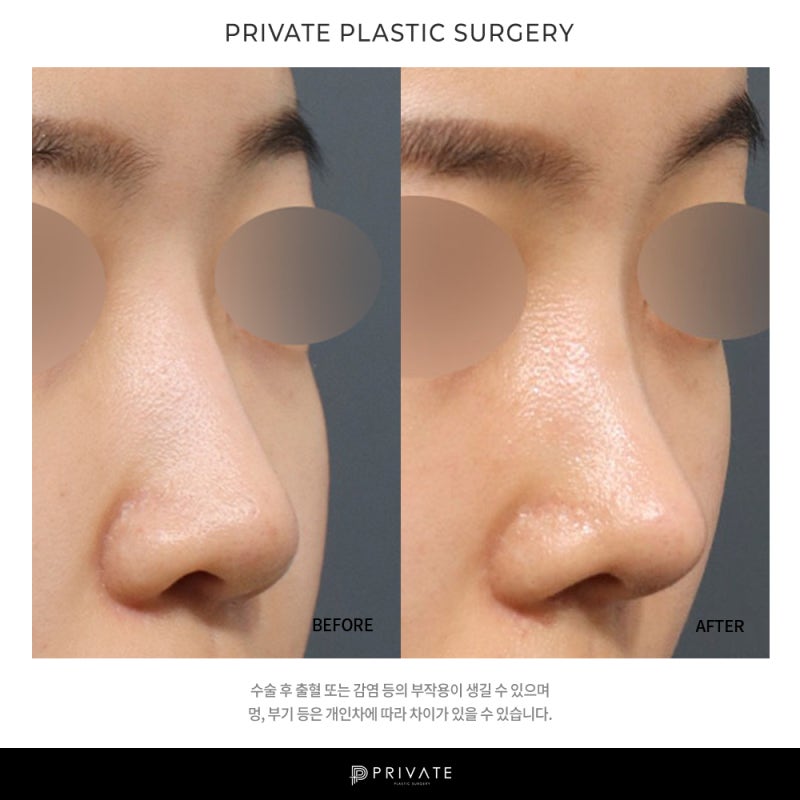
Rhinoplasty can be broadly divided into the nasal bridge and the nasal tip.
Rather than simply raising the height of the nasal bridge,
it is crucial to design a shape that harmonizes with the line connecting the forehead to the nose, the distance between the brows, the length of the nose, and the overall facial balance.
For the nasal tip as well, surgeons comprehensively analyze the length of the face, the proportions of the nose,
and the angle and contour of the tip
to plan a profile that blends naturally with the entire face.
Because even subtle adjustments to the nose can significantly alter one's appearance,
it is essential to carefully select the surgical technique and materials—such as implants and autologous cartilage—based on your current nasal anatomy and aesthetic goals.

Types of Cartilage Used in Revision Rhinoplasty
When planning revision rhinoplasty, selecting the appropriate material tailored to the current state of your nose is a vital step.
Common options include ear cartilage, septal cartilage, and costal (rib) cartilage.
Ear cartilage is relatively easy to harvest and offers a soft texture,
while septal cartilage is frequently used to support and define the tip of the nose.
Costal cartilage provides a sufficient volume and is firmer than other cartilage types,
making it an excellent choice when robust structural support is required.
However, since the same material is not suitable for everyone,
the decision should be made after a comprehensive evaluation of your current nasal condition, previous surgical history, and the degree of correction needed.

When Should You Consider Revision Rhinoplasty?
The reasons for seeking revision rhinoplasty vary from person to person:
01. When the implant has shifted, deviated, or moved
02. When capsular contracture or scarring has distorted the shape of the nose
03. When inflammation, infection, or other complications have occurred
04. When the balance between the nasal bridge and tip appears unnatural
05. When the nasal tip has become overly upturned (pinched or short) or misshapen
06. When the postoperative shape or overall image does not meet expectations
These are common indications for undergoing a secondary procedure.
Revision surgery is particularly complex because tissue and cartilage structures have been altered by previous operations.
Therefore, after thoroughly assessing the current state of the nose, in-depth consultations are essential to determine the surgical method, grafting materials, and desired profile line—such as straight, semi-curved (jik-ban), or curved (ban-beoseon).
At Sinsa Private Plastic Surgery, a trusted clinic for revision rhinoplasty,
we provide personalized treatment plans and post-operative care from the initial consultation through surgery and recovery.
Because revision rhinoplasty demands a far more delicate and specialized approach than a primary surgery,
we offer consultations tailored to each individual's nasal anatomy, drawing upon extensive experience across diverse primary and secondary rhinoplasty cases.
Dr. Lee Jin-hwa and Dr. Lee Jun-woo
oversee every stage from consultation to the surgical procedure itself.
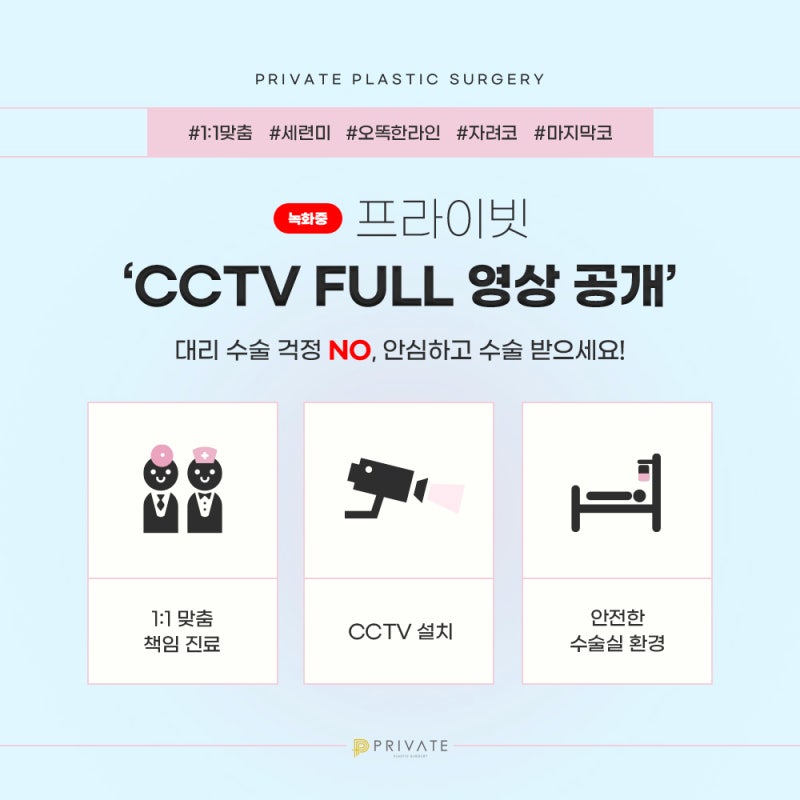
We maintain a safe, transparent surgical environment with strictly zero ghost doctors or proxy surgeons,
and we provide full CCTV recording viewings upon request prior to surgery.
Approaching a Second Nose Surgery with Greater Care
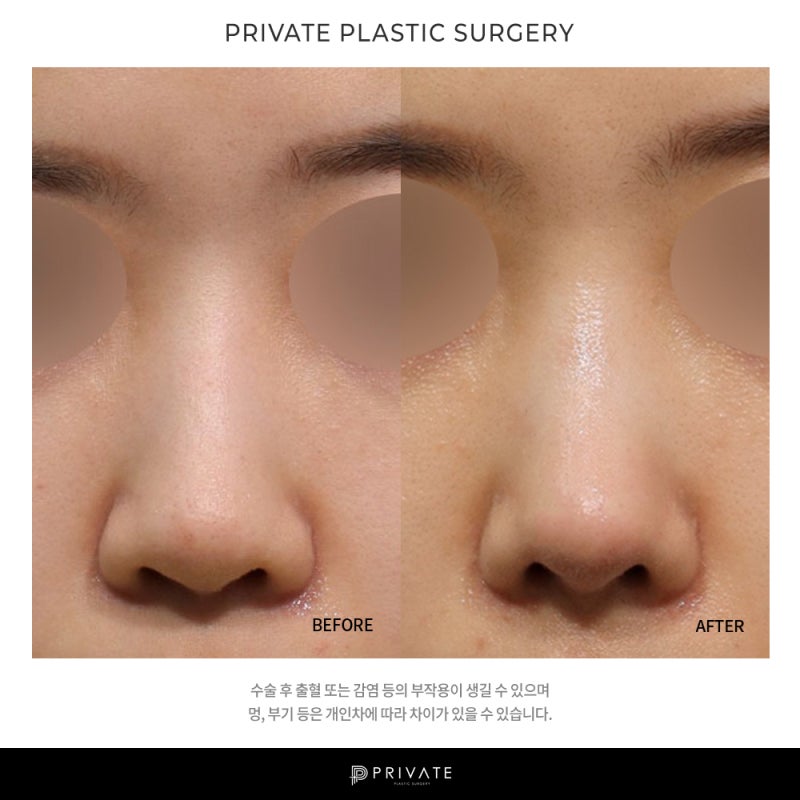
Revision rhinoplasty is not merely about reshaping or re-elevating the nose;
it is an intricate process of accurately understanding the tissue changes from previous procedures and discovering a contour that restores balance to your facial features.
To put an end to your nose-related concerns,
discover the surgical techniques and materials best suited for your case
through an in-depth consultation at Sinsa Private Plastic Surgery.





Frequently Asked Questions
When should I consider revision rhinoplasty?
Revision rhinoplasty is recommended in cases of implant displacement, contracture, inflammation, or dissatisfaction with the aesthetic result. It may also be necessary if an implant has moved, the nasal tip has become excessively upturned, or the harmony between the bridge and tip looks unnatural.
What types of autologous cartilage are used in revision rhinoplasty?
Ear cartilage, septal cartilage, and rib (costal) cartilage are predominantly used. Ear cartilage is pliable and easy to harvest, while septal cartilage is effective for supporting the nasal tip. Firm and abundant rib cartilage is suitable when solid structural support is required.
How are the nasal bridge and tip designed during revision rhinoplasty?
The design is customized by evaluating the forehead line, intercanthal distance, and overall facial balance. Rather than merely adding height, surgeons analyze facial length and nasal angles to plan an ideal contour—such as a straight or semi-curved profile—that suits your face.
How should I verify the medical team and surgical safety of a clinic?
It is essential to check the surgeon's clinical experience and the clinic's safety standards. Ensure that there are no ghost doctors or proxy surgeries, and verify whether the clinic allows access to operating room CCTV footage upon request to guarantee a safe, trustworthy environment.