2026-10-15
Let's Learn About Eyelid Revision Surgery at Private Plastic Surgery
Eyelid revision surgery can be considered for loosened creases, asymmetry, or scarring. This guide covers timing after the first procedure, common causes, line design, and the natural adhesion and incision methods.

Let's Learn About Eyelid Revision Surgery at Private Plastic Surgery
When people think of plastic surgery, eyelid surgery is one of the procedures that comes to mind first.
The eyes take up a large part of the face, and depending on the shape of the double eyelid crease or the eye contour, the overall impression can change significantly.
For this reason, eyelid surgery is one of the most commonly performed procedures, and it is carried out in many different ways depending on each person's concerns and the look they want to achieve.
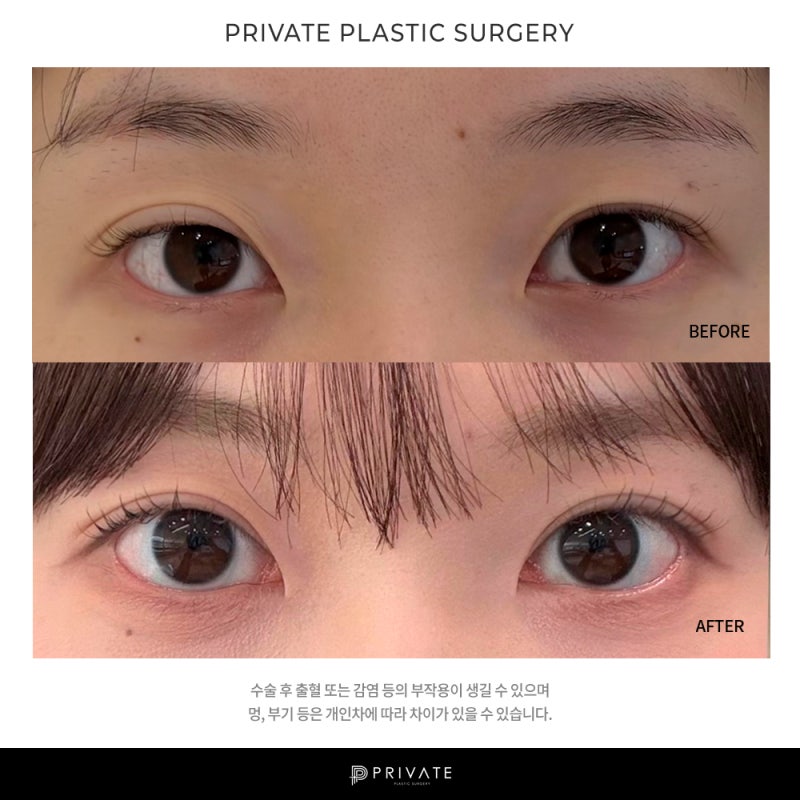
However, some people consider revision surgery because the crease has loosened after the first procedure, or because of asymmetry between the two eyes, scarring, and similar issues.
So today, Sinsa Private Plastic Surgery would like to walk you through some useful information to keep in mind when considering eyelid revision surgery.
For eyelid revision surgery, identifying the cause is important.
At Sinsa Private Plastic Surgery, when performing eyelid surgery, we comprehensively assess the current condition of the eyes, the proportions of the entire face,
and the characteristics of the eye shape to plan a design that suits each individual.
The same applies to eyelid revision surgery. It is not simply a matter of changing the existing double eyelid line,
but a process that requires a careful review of the changes that appeared after the previous surgery, the current condition of the tissue, and the reasons revision was considered.
At Private Plastic Surgery, based on these factors, we review the surgical method best suited to each person's eye condition,
and eyelid revision surgery can broadly be carried out using either the natural adhesion method or the incision method.
However, the actual surgical approach may vary depending on the skin and tissue condition of the eyelids, previous surgical history, and other factors.
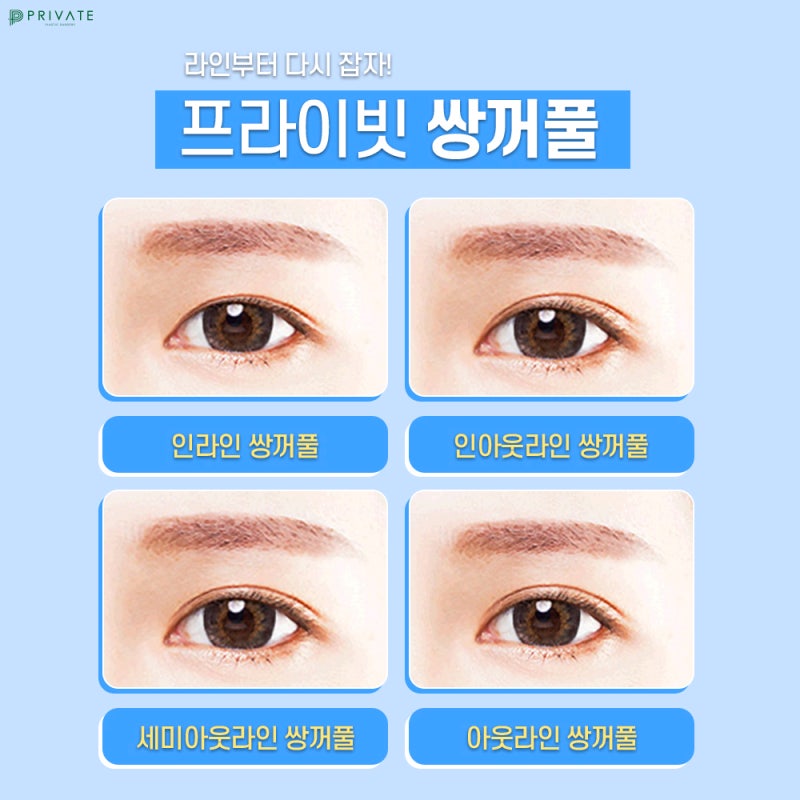
In addition, in revision surgery it is important to look at not only the shape of the existing line but also how the eye contour harmonizes with the entire face.
Among the various double eyelid line types, including inline, in-out line, outline, and semi-outline, the most suitable design can differ depending on the current structure of the eyes, skin condition,
and the look the individual wants to achieve.
Therefore, rather than simply applying a trendy line, it is best to plan the surgery by considering the current condition of the eyes together with the eye shape you want.

So when is the right time for eyelid revision surgery?
After surgery, time is needed for swelling and scarring to heal and for the tissue to settle.
In general, revision can be considered at least 6 months to 1 year after the first surgery,
but the appropriate timing can vary depending on the state of recovery and the reason revision is needed, so it is advisable to decide after thorough consultation with your medical team.

Eyelid revision surgery can be considered when the double eyelid crease has loosened or faded,
when you want to change your double eyelid line,
when the line is too high or too low,
when you want to change the overall shape of your eyes,
when scarring from the previous surgery is severe,
when the two sides are uneven or asymmetrical,
and in various other situations. The surgical approach and correction direction can vary depending on the current problem and its cause.

At Private Plastic Surgery, we analyze the reasons a previous surgery did not achieve the desired result and determine the appropriate surgical method based on those causes,
and we offer one-on-one personalized consultations that address the various concerns of people considering eyelid revision surgery.
We also strive to guide you carefully through the entire process, from preparation for surgery to recovery care.
From concerns about your eye shape to planning your revision surgery, we encourage you to find the approach that is right for you through careful diagnosis and thorough consultation.
Eyelid revision surgery: Private Plastic Surgery.






Frequently Asked Questions
When can eyelid revision surgery be considered after the first surgery?
In general, revision can be considered at least 6 months to 1 year after the first surgery. However, the appropriate timing can vary depending on the state of recovery and the reason revision is needed, so it is advisable to decide after thorough consultation with your medical team.
What situations make eyelid revision surgery possible?
Revision is possible in a range of situations, such as when the double eyelid crease has loosened or faded, or when you want to change your line. It also includes cases where the line is too high or too low, where the two sides are asymmetrical, or where scarring is severe. The surgical method and correction direction can vary depending on the current problem and its cause.
What should be assessed before eyelid revision surgery?
Identifying the reason for revision is important. It is necessary to carefully review the changes that appeared after the previous surgery, the current condition of the tissue, and the reasons revision was considered.
How is eyelid revision surgery performed?
Eyelid revision surgery can broadly be carried out using either the natural adhesion method or the incision method. The actual approach may vary depending on the skin and tissue condition of the eyelids, previous surgical history, and other factors.
How should the line design be decided?
The most suitable design can vary depending on the current structure of the eyes, skin condition, and the desired look. Rather than simply applying a trendy line, it is best to plan the surgery by considering the current condition of the eyes together with the eye shape you want.